
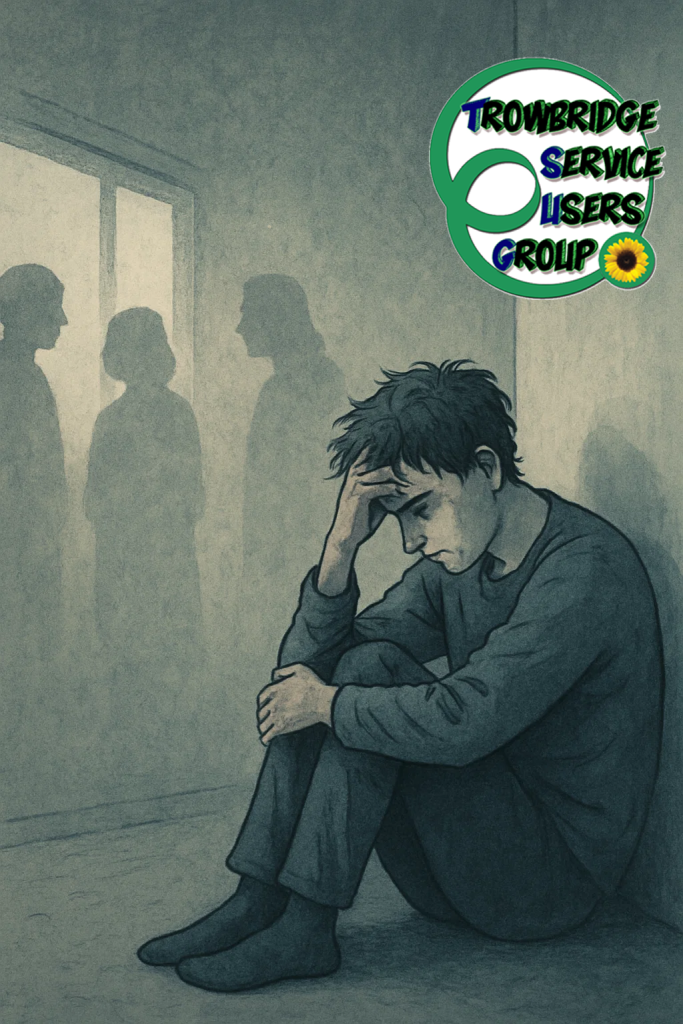
For many living with mental illness, isolation isn’t just a side effect—it’s a painful reality. Despite increased awareness of mental health, far too many people end up alone, unsupported, and forgotten. But why does this happen?
🌪 Mental Illness and the Cycle of Isolation
Mental health conditions like depression, anxiety, bipolar disorder, and schizophrenia often affect how we connect with others. These struggles can lead to withdrawal, and that isolation then worsens the condition. A 2020 Lancet Psychiatry study confirmed this cycle: loneliness increases the risk of self-harm and suicidal thoughts.
🧠 Neurodiversity and Social Disconnect
Neurodivergent individuals (those with autism, ADHD, dyslexia, etc.) experience and interpret the world differently. Social situations may feel overwhelming or confusing, and as a result, they may struggle to form and maintain relationships. A 2018 study in Autism Research found autistic adults were at high risk of loneliness and suicide—not because of their diagnosis itself, but due to social exclusion and misunderstanding.
📉 Cuts to Social Care
Across the UK and beyond, public spending cuts have gutted mental health and social services. The King’s Fund (2023) highlighted how support programs have been reduced or removed—leaving vulnerable individuals without help during the most crucial times. Many are left to navigate crises, unemployment, or housing issues entirely alone.
⚠ Lack of Crisis Support
Following a psychiatric discharge, many people are released back into the community without a support plan. Research from BMC Psychiatry (2021) shows this often leads to relapse or deeper withdrawal. The support simply isn’t there when it’s most needed.
💬 Stigma and Shame
Stigma still prevents many from speaking out. People with mental illness face judgment, misunderstanding, and even discrimination. According to the World Health Organization, stigma remains one of the biggest barriers to treatment and recovery.
🔁 What Needs to Change?
- Invest in community-based mental health services.
- Create neurodiversity-affirming environments.
- End the stigma through education and inclusion.
- Expand peer-led support networks.
- Ensure follow-up care after psychiatric treatment.
Loneliness shouldn’t be the legacy of mental illness. It’s time we build a society that connects, supports, and includes—especially when people need it most.
📚 References:
- Blake et al., BMC Psychiatry (2021)
- Cassidy et al., Autism Research (2018)
- Milton, Disability & Society (2012)
- Wang et al., The Lancet Psychiatry (2020)
- The King’s Fund (2023)
- WHO (2019)
🔖 Hashtags:
#MentalHealthMatters #Neurodiversity #SocialCareCrisis #EndIsolation #MentalHealthAwareness #AutismAcceptance #SupportNotStigma

 Postal Address