Living with mental illness and neurodivergence can be complicated on its own. Being gay can also come with its own set of social pressures and challenges. When these experiences overlap, life can sometimes feel like navigating a world that wasn’t designed with you in mind.
For me, living with Borderline personality disorder and Autism spectrum disorder while also being a gay man shapes how I experience relationships, emotions, and everyday life.
This is not just about diagnosis labels. It’s about how those experiences affect identity, connection, and belonging.
Understanding My Brain
Autism affects how I process information, social situations, and sensory environments. Things that seem natural for others — small talk, reading body language, or navigating crowded social spaces — can require a lot more mental energy for me.
At the same time, borderline personality disorder affects emotional regulation and relationships. Feelings can be intense, and fears around rejection or abandonment can sometimes feel overwhelming.
The combination can create a strange balance:
- I may crave connection deeply
- But social interaction can be exhausting
- I may care intensely about people
- But fear losing them at the same time
These experiences are part of how my brain works, not a personal failure.
Dating and Relationships
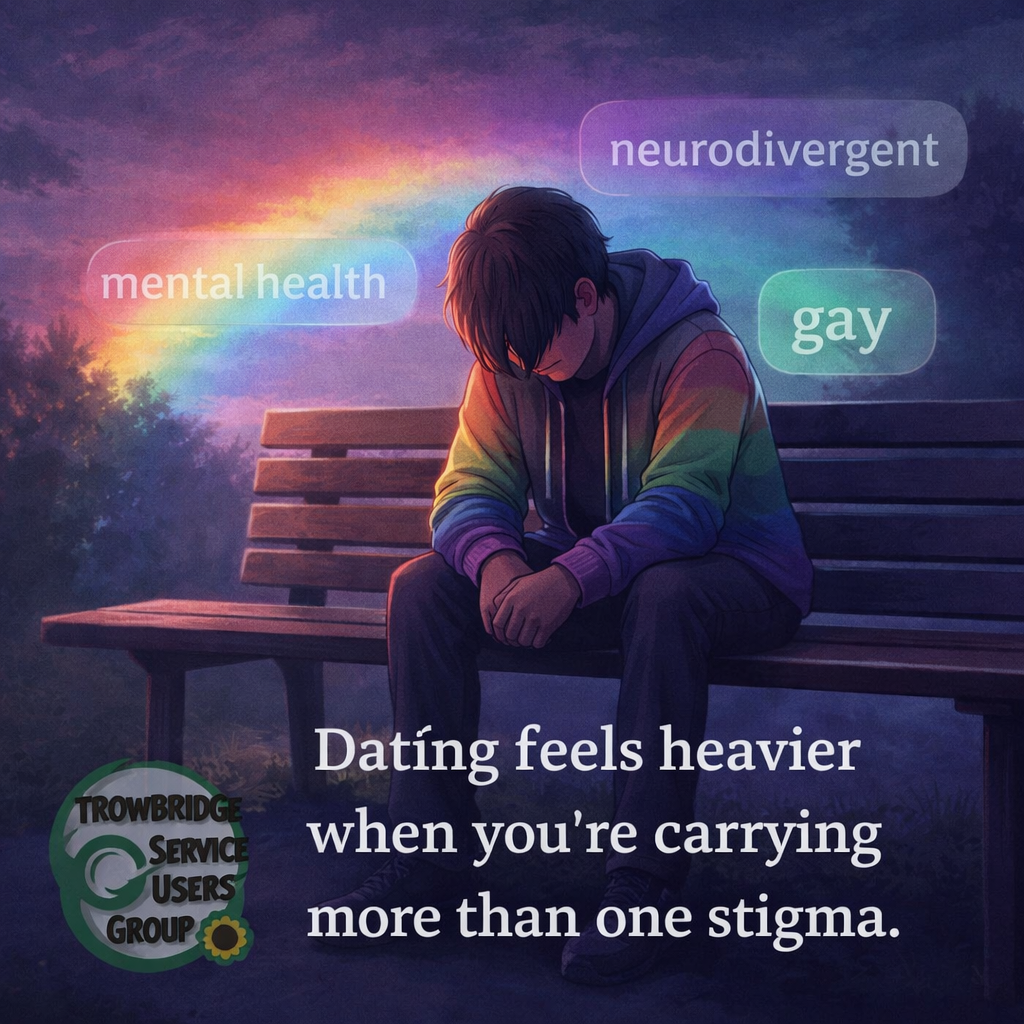
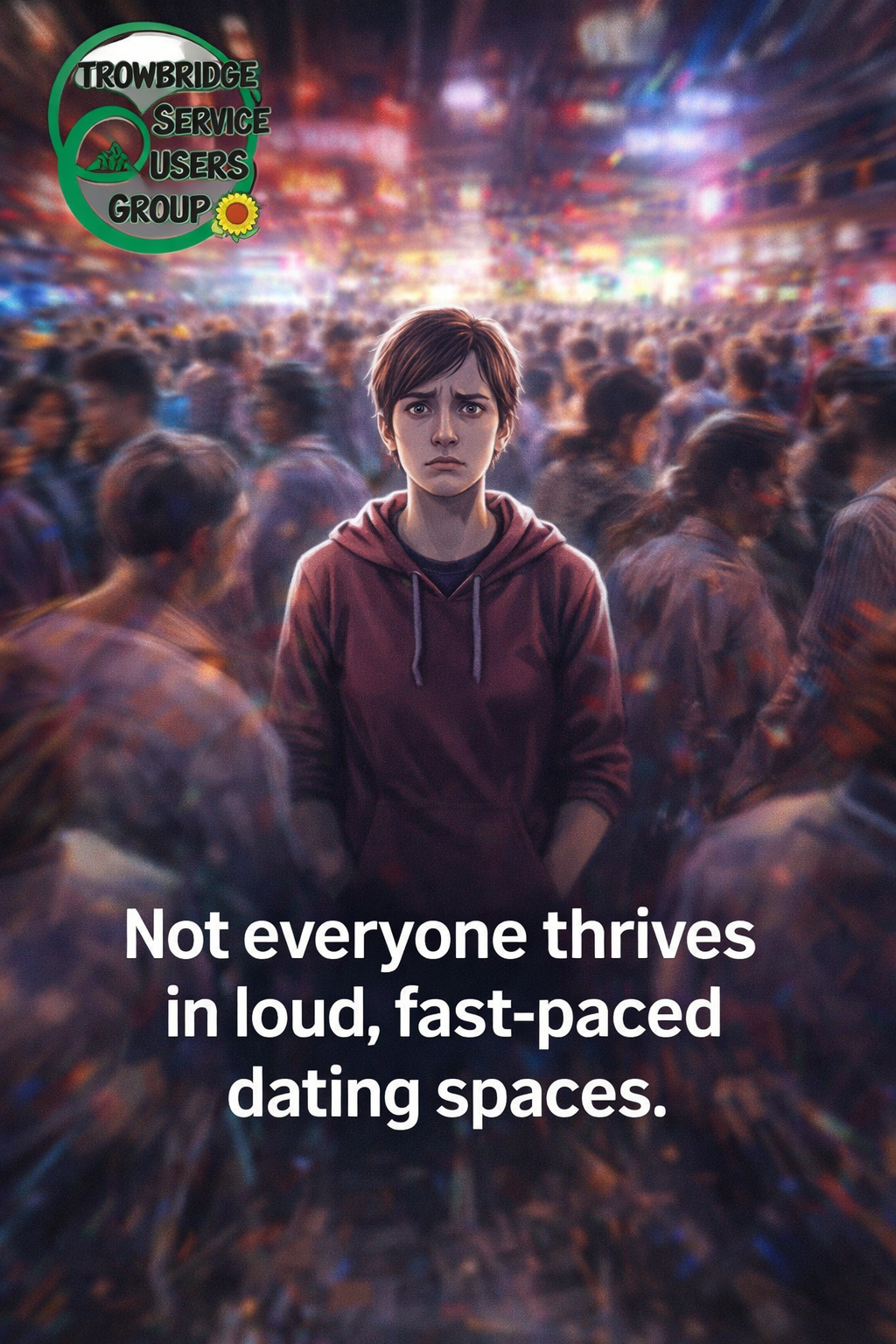
Dating as a gay man already has its own pressures. Many social spaces for meeting other men are built around fast-moving environments like bars, clubs, or dating apps.
For someone with autism, these environments can feel overwhelming or confusing. Signals and expectations aren’t always clear. Conversations can feel like a puzzle where everyone else seems to know the rules.
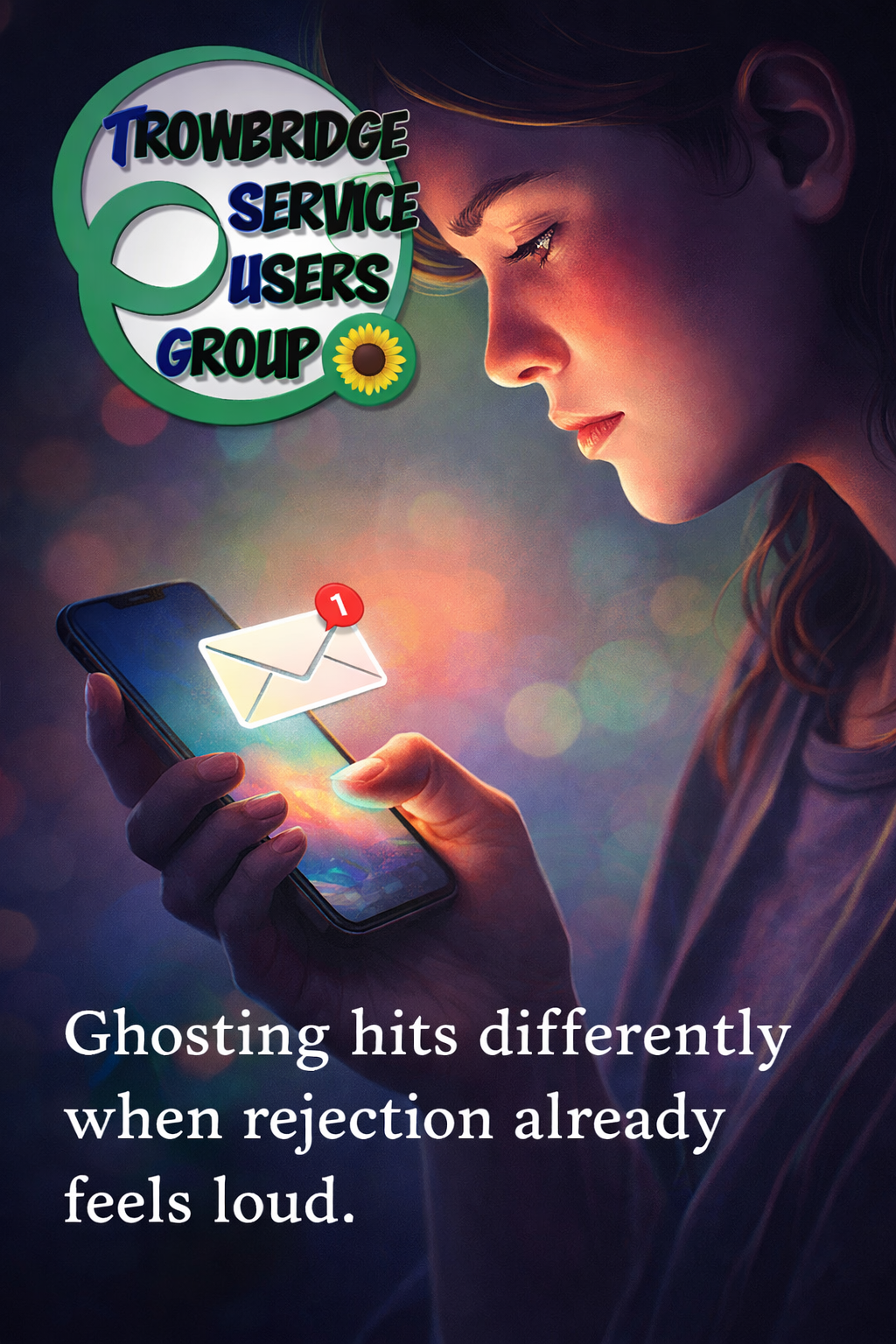
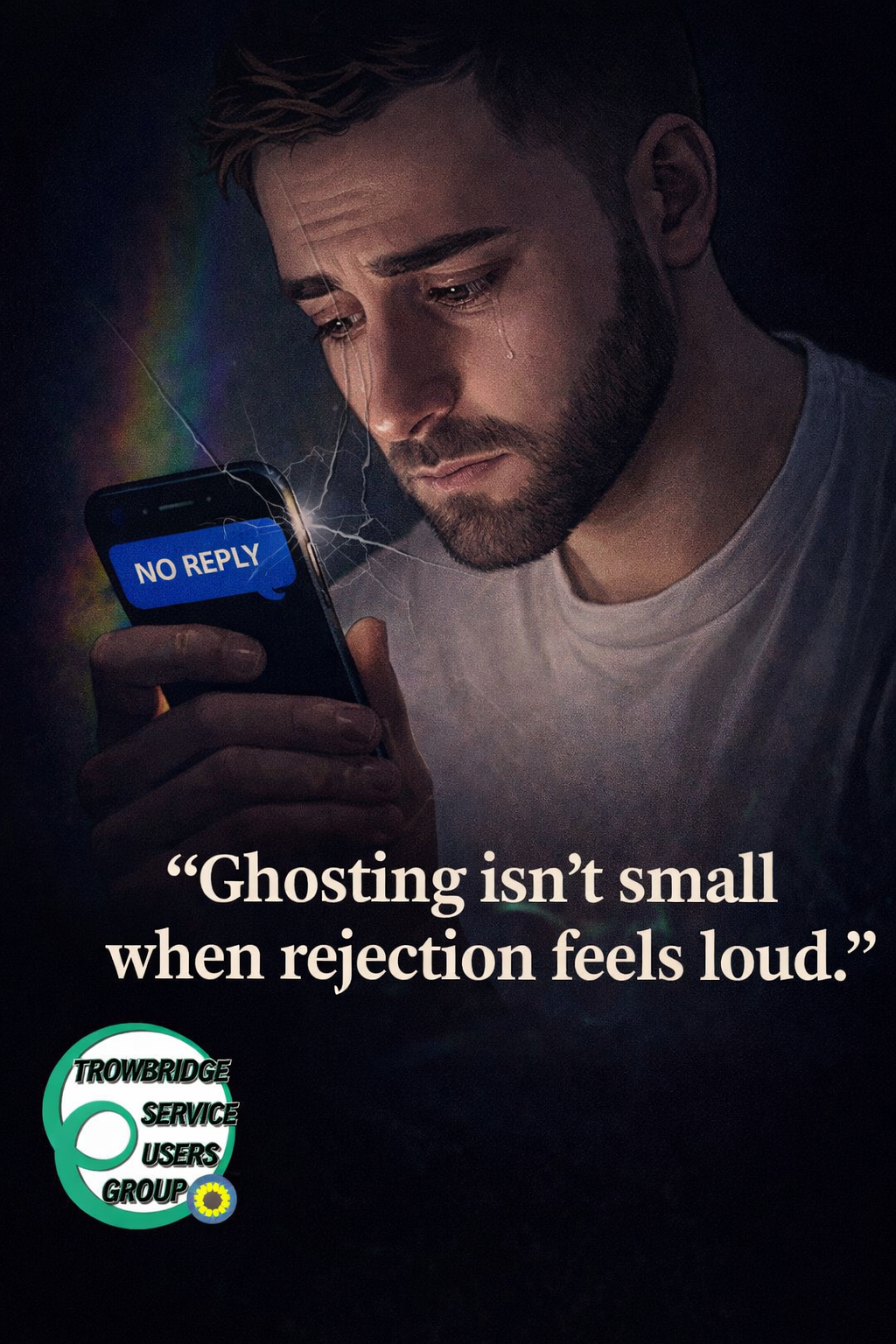
Borderline personality disorder adds another layer. Rejection can feel deeply painful, and something like being ignored or ghosted on a dating app can trigger feelings of worthlessness or abandonment.
Sometimes this leads to:
- Overthinking conversations
- Feeling “too much” emotionally
- Struggling to trust that someone genuinely likes you
But these reactions come from a place of wanting connection, not from weakness.
The Weight of Stigma
One of the hardest parts of living with mental illness and neurodivergence is the stigma attached to it.
Mental health conditions like Borderline personality disorder are often misunderstood and heavily stereotyped. People may assume someone with BPD is manipulative or unstable, when in reality many people are simply trying to manage intense emotions and trauma.
Autistic people also face misconceptions. Society often expects everyone to communicate and socialise in the same way, which can make anyone who is different feel like they are constantly failing invisible social rules.
Being gay can add another layer of judgement or misunderstanding depending on the environment you are in.
When all of these identities overlap, it can sometimes feel like carrying several labels that other people don’t fully understand.
Isolation and Loneliness
Isolation is a common experience for many people living with mental illness or neurodivergence.
Social anxiety, emotional overwhelm, or sensory overload can make it difficult to engage in environments where people typically form friendships and relationships.
At the same time, the human need for connection doesn’t disappear. If anything, it can become stronger.
Feeling like you are on the outside looking in can be painful, especially when it seems like other people move through social life more easily.
Strengths That Are Often Overlooked
Despite the challenges, living with autism and borderline personality disorder has also shaped parts of my personality that I value.
Many people with these experiences develop:
- Deep empathy and emotional awareness
- Strong loyalty in relationships
- Honesty and direct communication
- Creativity and unique perspectives
- Resilience from learning to navigate a difficult world
These strengths are often overlooked when conversations focus only on diagnosis.
The Importance of Understanding
What helps most is not being “fixed” or forced to act like someone else. What helps is understanding.
That means:
- people being willing to learn about mental health and neurodiversity
- communities creating safer, quieter, and more inclusive spaces
- conversations that reduce stigma rather than reinforce it
When people are given the space to be themselves without judgement, it becomes easier to build genuine connections.
Final Thoughts
Living as a gay man with autism and borderline personality disorder can sometimes feel like navigating multiple worlds at once. There are moments of difficulty, misunderstanding, and loneliness.
But there are also moments of growth, insight, and connection.
Mental illness and neurodivergence do not define someone’s worth or their ability to form meaningful relationships. They are simply part of a person’s lived experience.
With greater awareness, compassion, and open conversation, the world can become a place where people are supported rather than excluded — and where everyone has the chance to feel that they belong. 🌈💙

 Postal Address