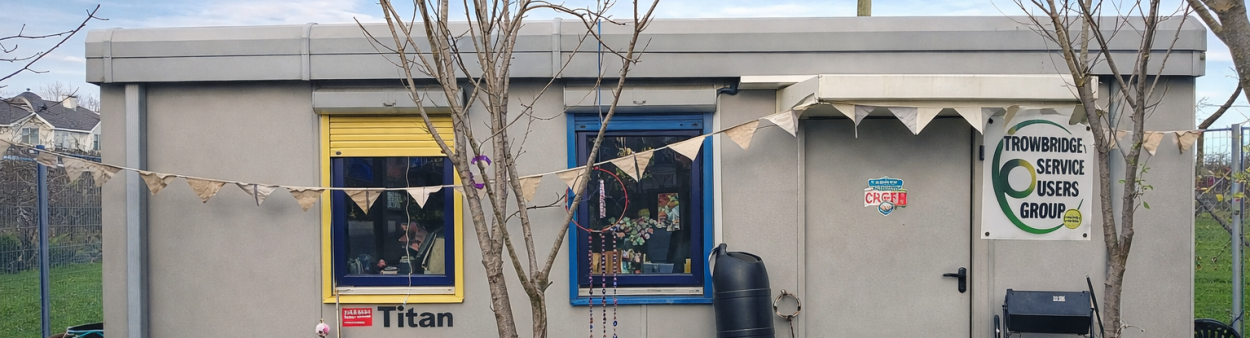
Mental health services across the UK are facing unprecedented pressure. Community initiatives such as the Trowbridge Service Users Group have increasingly become vital sources of support for individuals whose needs are not being fully met by statutory mental health services. As waiting lists grow and resources remain stretched, many people living with mental illness are finding themselves caught between levels of care that the current system struggles to provide.
The Role of Community-Led Support
The Trowbridge Service Users Group exists to support individuals living with mental illness who often fall through the gaps in the system. These gaps typically occur in two ways:
- High-need cases where specialist support is required but mental health teams lack the resources, staffing, or specialist expertise to provide adequate care.
- Escalating needs, where someone initially requiring low-level support deteriorates while waiting for treatment, eventually requiring mid- to high-level intervention.
In both situations, delays in accessing care can lead to worsening mental health conditions, increased isolation, and higher risk of crisis. Peer-led groups like Trowbridge provide a safe space where individuals can share experiences, access informal support networks, and reduce social isolation—an important factor in recovery.
A System Under Strain
The pressures facing mental health services today did not emerge overnight. For many years, mental health has often been described as a “Cinderella service” within the healthcare system—underfunded and overlooked compared to physical health services.
During the period of government austerity policies introduced after 2010, local authorities and NHS services experienced significant financial constraints. Mental health services were not immune to these reductions. According to analysis by the Health Foundation and King’s Fund, local authority spending on public health services, including mental health prevention programmes, fell substantially in real terms throughout the 2010s.
At the same time, demand for mental health services has continued to rise. Data from NHS England shows that millions more people are now seeking help for mental health conditions compared with a decade ago. In England alone, over 4.7 million people were in contact with NHS mental health services in 2023–24, a record high.
The Impact of COVID-19
The COVID-19 pandemic intensified existing challenges within the mental health system. Lockdowns, economic uncertainty, bereavement, and social isolation all contributed to worsening mental health across the population.
Research from the Office for National Statistics (ONS) found that rates of depression among adults in Great Britain more than doubled during parts of the pandemic compared with pre-pandemic levels. Mental health services subsequently experienced a surge in referrals, increasing waiting times for many forms of therapy and specialist support.
For individuals already living with serious mental illness, the disruption of services during the pandemic often meant reduced face-to-face care, delayed assessments, and longer waiting periods for treatment.
Waiting Lists and the “Missing Middle”
One of the most widely recognised problems within the UK mental health system is the so-called “missing middle.” This describes people whose needs are too complex for primary care or basic talking therapies but who do not meet the threshold for specialist secondary mental health services.
These individuals may experience:
- Long waiting lists for psychological therapy
- Limited access to specialist assessments
- Reduced continuity of care
- Lack of preventative support before crisis point
Community organisations frequently step in to support people during these waiting periods.
Misconceptions Around Benefits and Mental Illness
Public discussions around welfare and disability benefits often include people with mental health conditions. However, evidence consistently shows that fraud within the benefits system is very low.
According to the UK Department for Work and Pensions (DWP), fraud accounts for less than 1% of total benefit expenditure. In contrast, the majority of welfare spending goes toward state pensions, support for people in work on low incomes, and disability benefits for those with long-term health conditions.
Many people receiving disability-related benefits such as Personal Independence Payment (PIP) live with serious mental health conditions that significantly impact daily functioning. For these individuals, financial support can be essential for maintaining stability, accessing care, and avoiding crisis situations.
Why Peer Support Groups Matter
Community-led initiatives like the Trowbridge Service Users Group play an increasingly important role in bridging gaps in formal services. Research has shown that peer support can offer several benefits:
- Reduced isolation
- Improved self-confidence
- Shared lived experience and understanding
- Encouragement to access professional help
- Early support before crisis escalation
Such groups do not replace professional services but rather complement them by providing consistent, community-based support.
Looking Forward
The rising demand for mental health care highlights the need for sustained investment in services, workforce capacity, and early intervention programmes. Experts widely agree that prevention and timely support can reduce the long-term social and economic costs associated with untreated mental illness.
In the meantime, community organisations continue to fill essential gaps in the system. Groups like the Trowbridge Service Users Group demonstrate the power of lived experience, mutual support, and grassroots action in helping individuals navigate a mental health system that is still struggling to meet the needs of everyone who relies on it.

 Postal Address