
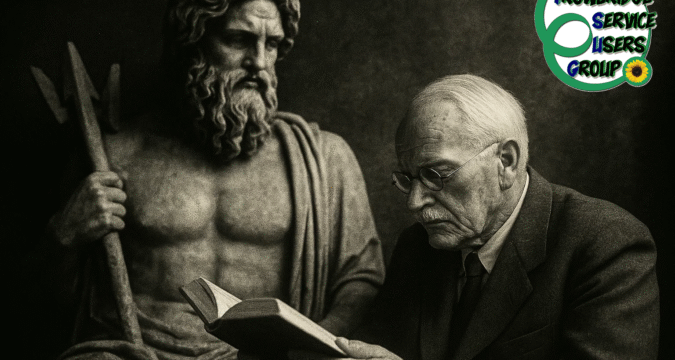
Intro: What if the gods of Greek and Roman mythology weren’t just distant divine figures—but archetypes of our deepest psychological struggles? From the chaos of Eris to the ecstatic madness of Dionysus, the ancient world may have unknowingly charted what we now call mental illness. Through the lens of Carl Jung and modern psychology, mythology becomes a roadmap to the human psyche.
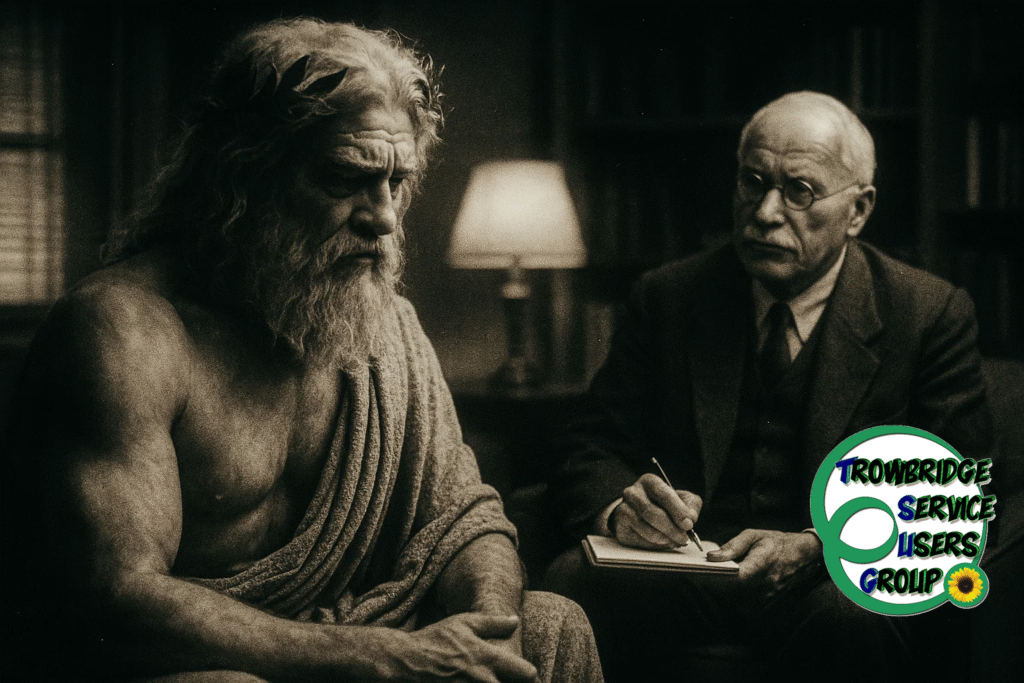
🧠 Mythology Meets Mental Health
Long before psychology put names to disorders, myths gave us characters that embodied emotional extremes—mania, rage, obsession, impulsivity, and identity fragmentation. Today, these gods are being reinterpreted as symbols of mental health archetypes.
Here’s how some well-known figures line up:
- Eris (Discordia) – Borderline Personality Disorder: Instigator of chaos, rejection-sensitive, emotionally unstable.
- Ares (Mars) – Antisocial or Intermittent Explosive Disorder: Impulsive, aggressive, destructive.
- Dionysus (Bacchus) – Bipolar Disorder & Addiction: Euphoric highs, dangerous lows, disconnection from reality.
- Athena (Minerva) – Obsessive-Compulsive Personality Traits: Hyper-rational, perfectionist, emotionally detached.
- Hera (Juno) – Paranoid or Delusional Jealousy: Possessive, vengeful, driven by suspicion.
- Hermes (Mercury) – ADHD/Trickster Archetype: Restless, impulsive, clever but unfocused.
🙏 Saints, Spirits, and Sacred Madness
Christian saints, too, have become spiritual patrons of psychological afflictions:
- St. Dymphna: Patron of mental illness
- St. Vitus: Linked to epilepsy and neurological disorders
- St. Teresa of Ávila: Mystical ecstasy (potentially interpreted today as dissociation or seizure disorders)
- St. Joan of Arc: Auditory hallucinations; once revered, later pathologized
🔍 What Jung Saw
Carl Jung viewed gods as archetypes—primordial images from the collective unconscious. In his view:
“The gods have become diseases.”
But that’s not a condemnation—it’s an invitation to understand ourselves through myth, to see our struggles not as shameful defects, but as ancient, sacred stories still unfolding in us.
🎭 Why This Matters Today
In a world still wrestling with mental health stigma, this mythological lens:
- Reframes diagnosis as symbolic, not just pathological
- Offers richer understanding through ancient narratives
- Opens the door to healing through meaning, not just medication
Mental illness may isolate—but myth reconnects. The gods have not abandoned us; they live within us, waiting to be heard.
💬 What do you think?
Which mythological figure do you most relate to? Do you see mental health reflected in any ancient story?
#MentalHealthAwareness #GreekMythology #CarlJung #BPD #ADHD #BipolarDisorder #Archetypes #Psychology #MythAndMind #JungianPsychology #StDymphna #ModernMyth #TraumaHealing #BorderlinePersonalityDisorder #SpiritualityAndMentalHealth #HealingThroughMyth

 Postal Address