
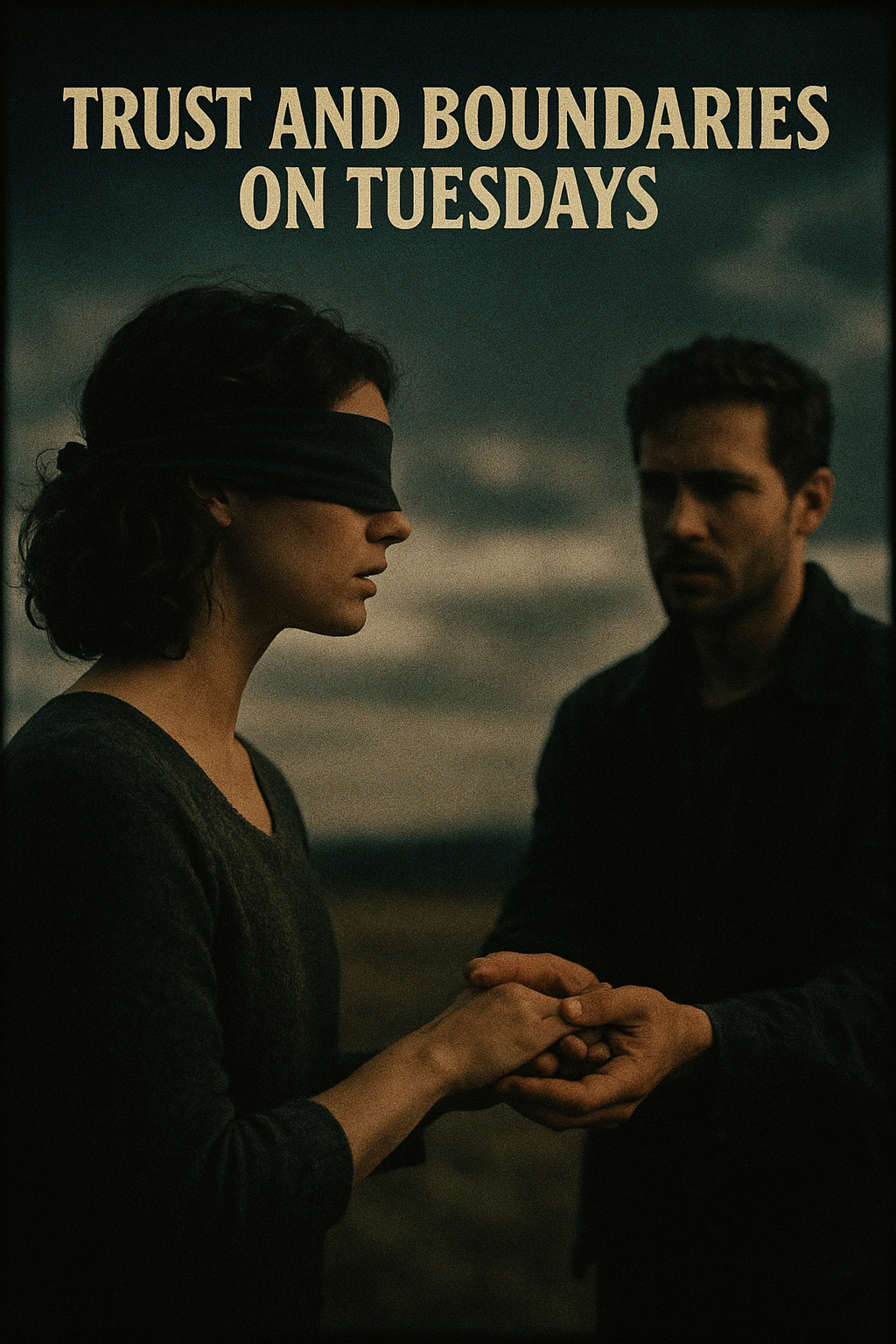
When it comes to mental health, three key pillars can make all the difference: self-belief, boundaries, and recognizing red (and green) flags in our relationships.
These aren’t just trending words—they’re practical tools to help you stay grounded, make better decisions, and maintain mental and emotional stability.
🧠 Trusting Your Instincts with Mental Illness
Living with a mental health condition—whether it’s anxiety, depression, bipolar disorder, PTSD, or something else—can sometimes shake your ability to trust yourself. The internal noise can make you second-guess your instincts.
But self-belief is critical. It’s that inner voice telling you something feels off—before things spiral. Learning to trust that feeling helps you catch symptoms early, make informed decisions, and care for yourself proactively.
“Self-trust is the first secret of success.” – Ralph Waldo Emerson
🔍 Mental health tip: Keep a simple journal of your moods and thoughts. You’ll start to recognize patterns that alert you when you’re heading into a dip.
🧭 Need help with this? Mind.org.uk offers tools and advice to support your self-awareness.
🧘♀️ Mindfulness: Stay Present, Stay Aware
Mindfulness isn’t just about deep breaths or sitting in silence. It’s about being fully present—aware of your thoughts, your body, your feelings—without judgment.
For those living with mental illness, mindfulness can become a powerful early warning system. According to the American Psychological Association, mindfulness reduces stress, improves emotional control, and increases resilience.
✨ Mindfulness helps you:
- Notice when overwhelm is creeping in
- Pause and reset before reacting
- Accept emotions without letting them control your actions
📱 Apps like Headspace and Insight Timer are great places to begin your mindfulness journey.
🛡️ Boundaries: The Foundation of Mental Wellness
Boundaries aren’t about pushing people away—they’re about protecting your peace and preserving your energy. For anyone managing mental health, boundaries are essential.
Setting healthy limits in your relationships, work, or even on social media helps prevent burnout, reduce anxiety, and create emotional clarity.
💡 Healthy boundaries:
- Promote self-respect
- Reduce resentment
- Strengthen communication
- Create safe, balanced relationships
As therapist Nedra Glover Tawwab says in Set Boundaries, Find Peace, “Boundaries are a cue for how others should engage with us.”
Explore more on boundary setting at Psych Central.
🚦 Red Flags, Green Flags, and Emotional Triggers
Recognizing red flags in relationships is a critical skill, especially when protecting your mental health.
🔴 Red flags might look like:
- Gaslighting
- Controlling or manipulative behavior
- Disrespecting your boundaries
- Inconsistent communication
But here’s the catch: not all red flags are toxic behavior. Some may be emotional triggers—past wounds being reopened in the present. That’s why it’s important to communicate, reflect, and ask: Is this a red flag, or a personal trigger I need to explore?
✅ Green flags to look for:
- Mutual respect
- Consistent, honest communication
- Accountability
- Emotional safety and empathy
Talking about red flags helps relationships grow. We all make mistakes—what matters is how we show up afterward.
For a deeper dive, check out Verywell Mind’s guide to red flags.
💬 Final Thoughts: You Are Your Best Advocate
Managing mental illness isn’t easy—but it’s possible to build strong, healthy relationships and a grounded sense of self. That begins with:
- Trusting your instincts
- Practicing mindfulness
- Setting and protecting your boundaries
- Learning the difference between red flags and triggers
You are your own best advocate. Don’t forget: it’s not just about avoiding toxic situations—it’s also about embracing the green flags that signal safety, connection, and growth.

 Postal Address