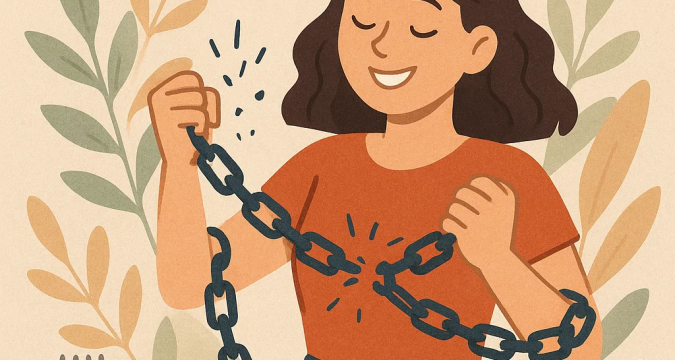
Eating disorders are serious mental health conditions. It’s critical to know that they’re not choices—they’re complex illnesses shaped by biological, psychological, and social factors. Recovery is possible.
Common Types of Eating Disorders
- Anorexia Nervosa (AN): Extreme restriction of food intake due to intense fear of weight gain and distorted body image.
- Bulimia Nervosa (BN): Cycles of binge eating followed by purging or other compensatory behaviors such as vomiting, laxative use, or excessive exercise.
- Binge-Eating Disorder (BED): Frequent episodes of uncontrolled overeating without purging. It’s the most common eating disorder in the UK—affecting about 1 in 50 people, and notably, 40% of sufferers are men The Sun.
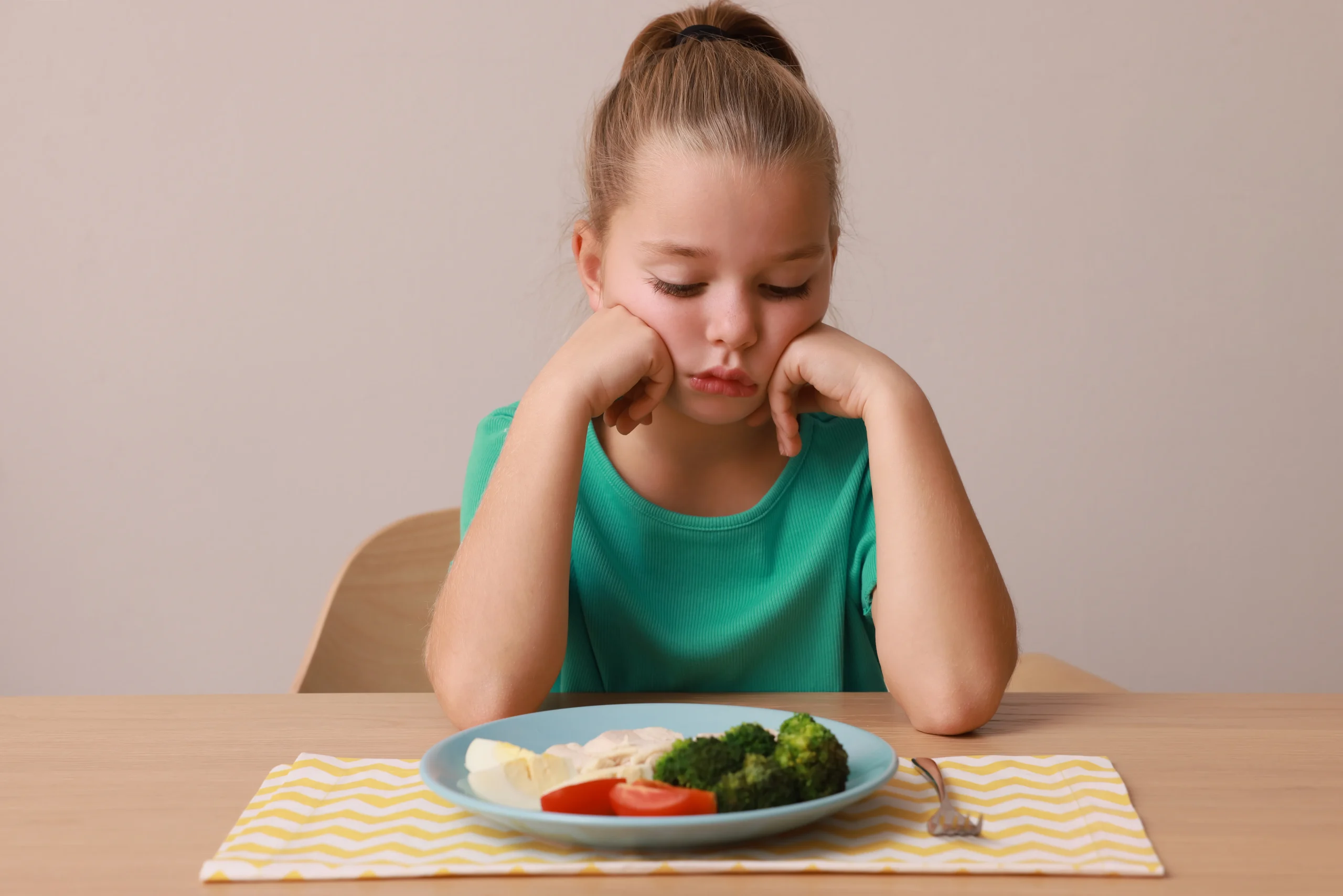
- Avoidant/Restrictive Food Intake Disorder (ARFID): Not driven by concerns about weight or physique, but by sensory issues, fear, or lack of interest in food. Calls to Beat’s helpline regarding ARFID have surged sevenfold—from 295 in 2018 to 2,054 in 2023 The Guardian.
- OSFED (Other Specified Feeding or Eating Disorder): Includes atypical anorexia, purging disorder, night eating syndrome, among others.
- Pica and Rumination Disorder: Rare—Pica involves eating non-food items; Rumination Disorder includes regurgitating and re-chewing food.
Myths & Misunderstandings
Many perceive eating disorders as affecting only young, underweight women. This couldn’t be further from the truth. Disorders cross all ages, genders, backgrounds, and body types. For example, BED affects many men—highlighting the importance of inclusive awareness The SunBeat.
The Rise of Eating Disorders and the Urgency for Early Help
- Cases among children in the UK have more than doubled—from 5,240 in 2016–17 to 10,606 more recently The Sun.
- The COVID-19 pandemic may have contributed to factors like isolation and disrupted routines that elevate risk The Sun.
- Early intervention is critical for better outcomes and quicker recovery.
Treatment & Supporting Recovery
- Talking therapies such as Cognitive Behavioral Therapy (CBT) are widely used and shown to be effective.
- Family therapy, especially for younger individuals, can be transformational.
- Most treatment happens in outpatient settings, but severe cases may need day programs or inpatient care nhs.uk.
- Community and peer support (support groups, helplines, safe spaces) play a key role in recovery.
How to Support Someone
From NHS guidance:
- Encourage gentle inclusion and connection—keep inviting and talking, even if they decline.
- Offer reassurance and positive affirmations: remind them of how much they matter.
- Avoid harsh advice or criticism—just listening and being present is incredibly valuable nhs.uk.
Support Resources in Wiltshire & Across the UK
Wiltshire-Specific Services
- Wiltshire Community Eating Disorder Service: Specialist NHS service for adults with AN, BN, BED, or OSFED—based at Savernake Hospital, Marlborough, covering Wiltshire and Swindon Oxford Health.
- Participation Group: A free, monthly online support group (via Microsoft Teams) for past & present service users—hosted by the Wiltshire Community Eating Disorder Service. Email wceds@oxfordhealth.nhs.uk to join Oxford Health.
UK-Wide Helplines & Support
- Beat (UK’s leading eating disorder charity):
- Helpline (England): 0808 801 0677 (Mon–Fri, 3 pm–8 pm). Free from all phones. Also offers email and webchat options Beat+1.
- Use Beat’s HelpFinder online tool to locate local programs and NHS services Beat.
- Access peer support, online groups, chatrooms, and downloadable resources via Beat’s website BeatNELFT NHS Foundation Trust.
- Other Helplines (via Priory guide):
- Anorexia & Bulimia Care (ABC): 03000 11 12 13
- Childline (for under 18s): 0800 1111 or online chat at 121
- Eating Disorder Support: 01494 793223
- Mind (mental health support): 0300 123 3393 or text 86463
- The Mix (under-25s): 0808 808 4994 Priory.
- Useful Networks & Resources:
- SWEDA (South & West England Eating Disorder Association): Offers peer support, counselling, workshops, and community support across the region swedauk.org.
- Mind’s “Useful Contacts for Eating Problems”: Peer & charity support groups, CBT/accredited therapists, databases like “Hub of Hope” Mind.
- Mental Health UK: Offers info, online peer support, and guidance for those affected by eating disorders Mental Health UK.
Quick Summary Table: Support Options
| Who It’s For | Service / Helpline | Contact Details |
|---|---|---|
| Adults in Wiltshire & Swindon | Wiltshire Community Eating Disorder Service | Based at Savernake Hospital, Marlborough; email wceds@oxfordhealth.nhs.uk for groups |
| Anyone across England | Beat Helpline | 0808 801 0677 (Mon–Fri, 3 pm–8 pm) + email and webchat |
| Find local services UK-wide | Beat HelpFinder | Available via Beat’s website |
| Under-18s or anyone needing chat | Childline, The Mix | 0800 1111 (or chat/online), 0808 808 4994 (The Mix) |
| Peer/community support, SW England | SWEDA | Peer support, counselling, workshops in South & West England |
| Wide range of charities & support | Mind, Mental Health UK, Priory list | Access phone, text, email contacts in table above |
Final Thoughts
If you’re facing an eating disorder—or supporting someone who is—remember: you are not alone. Whether through NHS services like Wiltshire’s specialist team or charities like Beat and SWEDA, help is available, free, and just a phone call or email away.
Recovery is a journey. Taking the first step—whether reaching out to a helpline, talking to your GP, or joining a support group—brings people closer to hope, healing, and a healthier future.
Navigational Summary for Further Reading:
Further Reading


UK eating disorder charity says calls from people with Arfid have risen sevenfold

 Postal Address