
1–31 July
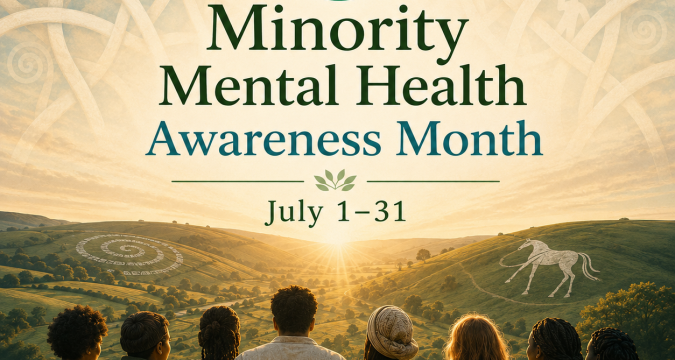
Every July, National Minority Mental Health Awareness Month shines a spotlight on the unique mental health challenges faced by racial, ethnic, and other marginalised communities. Originally established in the United States, the campaign is also known as Bebe Moore Campbell National Minority Mental Health Awareness Month, named after the acclaimed author, journalist, teacher, and mental health advocate who worked tirelessly to improve access to culturally appropriate mental health care.
Although the campaign began in the United States, its message is just as relevant here in the UK. Mental health inequalities continue to affect many people from Black, Asian, mixed heritage, refugee, migrant, Gypsy, Roma, Traveller, LGBTQ+, and other marginalised communities. Raising awareness helps us understand these inequalities and work towards a society where everyone has equal access to compassionate, effective mental health support.
Why This Awareness Month Matters
Mental health affects every one of us, regardless of our background. However, research consistently shows that people from minority communities often experience additional barriers when trying to access support.
These barriers can include:
- Cultural stigma surrounding mental illness.
- Fear of discrimination or prejudice.
- Language and communication barriers.
- Limited access to culturally competent services.
- Financial hardship and wider social inequalities.
- Previous negative experiences with healthcare services.
- A lack of representation among mental health professionals.
These factors can prevent people from seeking help until they reach crisis point, making early intervention more difficult.
Honouring Bebe Moore Campbell
Bebe Moore Campbell (1950–2006) was a passionate advocate who believed that everyone should have access to mental health care that respected their culture, identity, and lived experience.
She helped establish one of the first support organisations for Black families affected by mental illness and challenged the stigma surrounding mental health within minority communities. Her work continues to inspire organisations around the world to promote equality and inclusion in mental health care.
The Main Goals of the Campaign
Breaking Down Stigma
In many cultures, mental health remains a difficult subject to discuss. Some people fear being judged or believe that struggling with mental health is a sign of weakness.
National Minority Mental Health Awareness Month encourages honest conversations, helping people understand that mental illness is a health condition—not a personal failure.
Talking openly can encourage more people to seek support before problems become overwhelming.
Highlighting Mental Health Inequalities
Many minority communities face structural barriers that contribute to poorer mental health outcomes.
These include:
- Racism and discrimination.
- Poverty and financial insecurity.
- Housing instability.
- Social exclusion.
- Immigration-related stress.
- Experiences of trauma.
- Unequal access to healthcare.
Addressing mental health means recognising these wider social factors as well as providing treatment.
Promoting Culturally Competent Care
Everyone deserves support that respects their culture, beliefs, language, identity, and personal experiences.
Culturally competent care means healthcare professionals understand how culture influences mental wellbeing and adapt support to meet people’s individual needs.
This can improve trust, communication, treatment outcomes, and long-term recovery.
Sharing Lived Experience
One of the most powerful ways to reduce stigma is through storytelling.
When people safely share their experiences of living with mental health conditions, they remind others they are not alone.
Lived experience can inspire hope, challenge stereotypes, and encourage others to seek help.
Mental Health Inequalities Faced by Minority Communities
Research highlights several ongoing challenges.
Difficulties Accessing Care
Many people experience:
- Long waiting lists.
- Limited local services.
- Language barriers.
- Difficulty finding culturally appropriate support.
- Lack of interpreters.
- Shortage of professionals from diverse backgrounds.
These issues can delay diagnosis and treatment.
Greater Exposure to Stress and Trauma
People from marginalised communities may face higher levels of chronic stress due to:
- Racism and discrimination.
- Hate crime.
- Financial inequality.
- Poor housing.
- Social isolation.
- Workplace discrimination.
- Migration or refugee experiences.
Long-term exposure to these stressors increases the risk of anxiety, depression, post-traumatic stress disorder (PTSD), and other mental health conditions.
Treatment Inequalities
Studies have shown that some minority groups are more likely to:
- Receive a delayed diagnosis.
- Be misdiagnosed.
- Access support only during a crisis.
- Experience compulsory treatment.
- Feel misunderstood by services.
Building trust between communities and healthcare providers is essential for reducing these inequalities.
Turning Awareness into Action
Awareness is only meaningful when it leads to positive change. Everyone can help make mental health support more inclusive.
Learn More
Take time to understand how discrimination, history, culture, and inequality affect mental wellbeing.
Listening to people’s lived experiences helps us become more compassionate allies.
Challenge Stigma
If you hear myths or stereotypes about mental illness, challenge them respectfully.
Simple conversations can change attitudes and encourage others to seek help.
Support Community Organisations
Many grassroots organisations provide culturally specific mental health support that larger services may not be able to offer.
Supporting these organisations through volunteering, fundraising, or donations strengthens local communities.
Advocate for Better Services
Encourage healthcare providers to:
- Improve cultural competency training.
- Increase workforce diversity.
- Reduce health inequalities.
- Improve access to interpreters.
- Listen to people with lived experience.
Small changes within services can have a significant impact.
Share Mental Health Resources
You never know who may need support.
Sharing trusted information about mental health organisations can help someone take their first step towards recovery.
Useful UK organisations include:
- Mind – Information and support for anyone experiencing mental health problems.
- Samaritans – Available 24 hours a day for anyone struggling or in emotional distress by calling 116 123 free from any phone.
- NHS Talking Therapies – Free psychological therapies available across England through GP referral or self-referral in many areas.
- Local community mental health services and peer support groups.
How Trowbridge Service Users’ Group Supports Inclusion
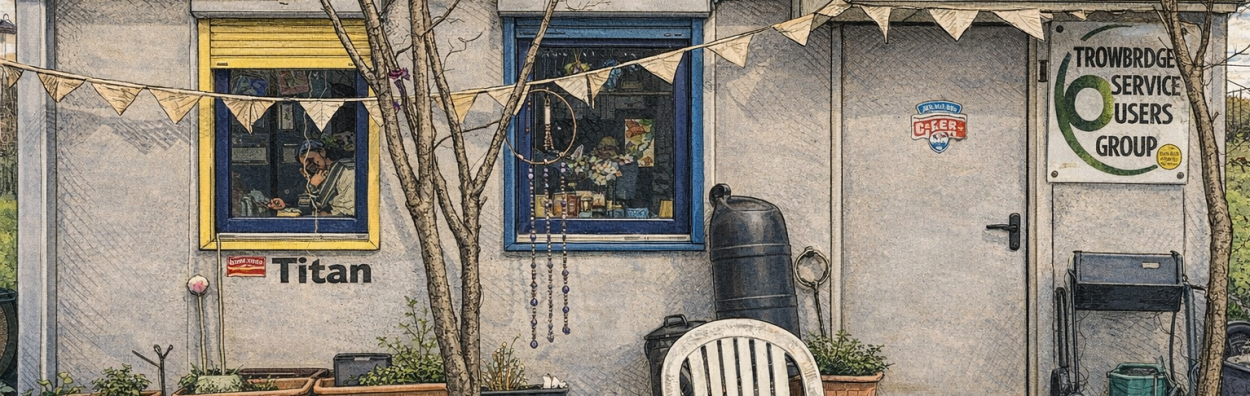
At Trowbridge Service Users’ Group, we believe mental health support should be welcoming, respectful, and accessible to everyone.
We know that every person’s experience is different, and recovery looks different for each individual. Our aim is to provide a safe, non-judgemental community where people can connect, reduce isolation, build confidence, and support one another regardless of their background, culture, ethnicity, identity, or life experience.
Creating an inclusive community begins with listening, learning, and treating every person with dignity and respect.
Together We Can Make a Difference
National Minority Mental Health Awareness Month reminds us that equality in mental health is about more than raising awareness—it’s about creating lasting change.
By challenging stigma, improving understanding, supporting inclusive services, and listening to every voice, we can help ensure that no one is left behind because of their background or identity.
Together, we can build communities where everyone feels safe to ask for help, confident they will be treated with compassion, and hopeful that recovery is possible.
No one should have to face mental health challenges alone.


 Postal Address