

Mental health recovery is about much more than medication, therapy, or clinical treatment. While professional care plays a vital role, recovery is often strengthened by something equally powerful—peer support and the wisdom of people with lived experience.
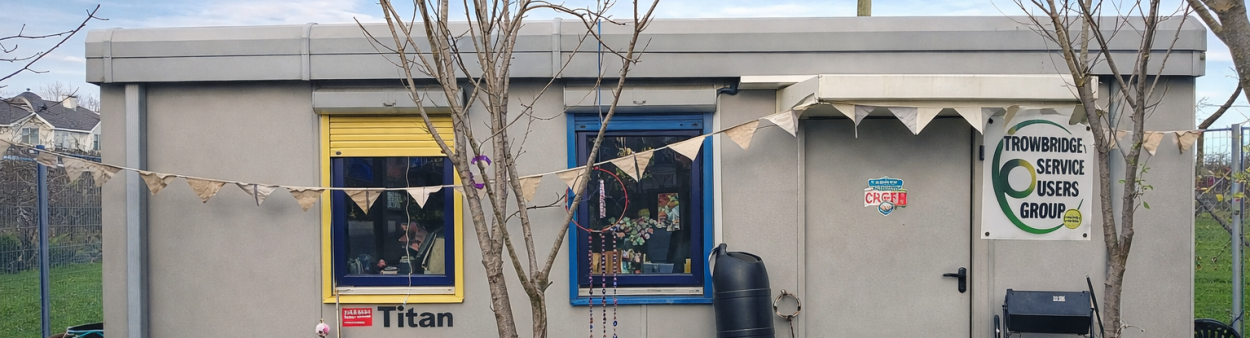
At Trowbridge Service Users’ Group (TSUG), we know that some of the most meaningful support comes from people who have faced similar challenges themselves. Sharing experiences, offering encouragement, and providing hope can make an enormous difference to someone navigating their own mental health journey.
What Is Peer Support?
Peer support is the support offered by someone who has personal experience of living with mental health challenges and recovery. Rather than being based solely on professional qualifications, peer support is built on empathy, mutual respect, shared understanding, and hope.
Unlike traditional healthcare relationships, peer support creates an equal partnership. Both people bring value to the conversation, and both learn from one another.
It is not about giving medical advice or replacing professional treatment—it is about walking alongside someone and reminding them that they are not alone.
Why Lived Experience Matters
People with lived experience offer something that cannot be learned from textbooks alone. They understand the realities of mental health because they have lived through them.
Authentic Understanding
Someone who has experienced anxiety, depression, bipolar disorder, psychosis, schizophrenia, PTSD, or other mental health conditions often understands the challenges in a way that others cannot.
They know what it feels like to:
- Face overwhelming symptoms.
- Navigate medication and its side effects.
- Experience setbacks and relapses.
- Feel isolated or misunderstood.
- Work towards recovery one day at a time.
This shared understanding helps people feel genuinely heard and accepted without fear of judgement.
Reducing Stigma
Mental health stigma continues to prevent many people from asking for help.
When individuals openly share their recovery stories, they demonstrate that mental illness is nothing to be ashamed of. Honest conversations challenge stereotypes, encourage understanding, and remind others that recovery is possible.
Every story shared has the potential to inspire someone else to take their first step towards seeking support.
Providing Hope
Hope is one of the most powerful tools in recovery.
Meeting someone who has experienced similar struggles and rebuilt their life provides tangible evidence that things can improve.
Peer supporters become living proof that recovery is achievable, even when life feels overwhelming.
For someone experiencing a mental health crisis, hope can be the beginning of recovery.
Building Equal Relationships
Traditional healthcare often follows a professional-to-patient model.
Peer support is different.
It is based on equality, mutual respect, shared experiences, and collaboration rather than hierarchy.
This often helps people feel more comfortable discussing difficult emotions and asking questions they may feel unable to raise in clinical settings.
The Benefits of Peer Support
Research from around the world continues to demonstrate the positive impact peer support can have on mental health recovery.
Better Engagement with Support
People receiving peer support are often more likely to remain engaged with mental health services because they feel understood and accepted.
Feeling connected encourages people to continue attending appointments, support groups, and recovery programmes.
Improved Confidence and Coping Skills
Peer supporters can share practical strategies that helped them during their own recovery.
These may include:
- Managing anxiety.
- Developing healthy routines.
- Coping with difficult thoughts.
- Building confidence.
- Returning to education or employment.
- Maintaining wellbeing after recovery.
These practical insights complement professional treatment and offer real-world solutions based on lived experience.
Reduced Isolation
Loneliness is one of the greatest challenges many people face during mental illness.
Peer support creates genuine human connection and reminds people they are not facing their struggles alone.
Many lasting friendships begin through peer support groups and recovery communities.
Better Recovery Outcomes
Studies have shown that peer support can contribute to:
- Increased confidence and self-esteem.
- Greater feelings of hope.
- Improved quality of life.
- Better social inclusion.
- Reduced psychiatric hospital readmissions.
- Stronger long-term recovery.
While peer support is not a replacement for clinical care, it can be an important part of a person’s overall recovery journey.
Transforming Mental Health Care
The inclusion of people with lived experience has changed mental health services around the world.
Rather than focusing solely on illness and symptoms, many organisations now embrace a recovery-focused model, recognising each person’s strengths, goals, abilities, and potential.
Peer workers help bridge the gap between healthcare professionals and service users by ensuring care remains:
- Compassionate.
- Person-centred.
- Realistic.
- Respectful.
- Recovery-focused.
Their experiences help shape services that better reflect the needs of the people who use them.
The Role of Peer Support at TSUG
At Trowbridge Service Users’ Group, peer support is at the heart of everything we do.
We believe everyone deserves:
- A safe place to talk.
- A community free from judgement.
- Opportunities to connect with others.
- Support from people who understand.
- Hope for the future.
Many of our members have walked similar paths. They understand the challenges of living with mental health conditions, navigating services, overcoming isolation, and rebuilding confidence.
Together, we create an environment where recovery is encouraged, achievements are celebrated, and nobody has to face mental health challenges alone.
Recovery Is Stronger Together
Recovery rarely happens in isolation.
Professional mental health services provide essential care, but peer support adds something equally valuable—connection, understanding, hope, and shared experience.
Every conversation, every act of kindness, and every story shared reminds someone that they are not alone.
Whether you are just beginning your recovery journey or have been supporting others for years, your experiences matter.
By listening, encouraging, and walking alongside one another, we can build stronger communities where everyone has the opportunity to recover, grow, and thrive.
At Trowbridge Service Users’ Group, we believe that lived experience is not a weakness—it is a strength that has the power to change lives.
Tags
Mental Health • Peer Support • Lived Experience • Recovery • Recovery Journey • Mental Health Awareness • Wellbeing • Community Support • Trowbridge Service Users’ Group • TSUG • Mental Health Recovery • Hope • Inclusion • Social Connection • Self-Care • Mental Health Services • Mental Health Advocacy • Empowerment • Compassion • Wiltshire


 Postal Address