Author: admin

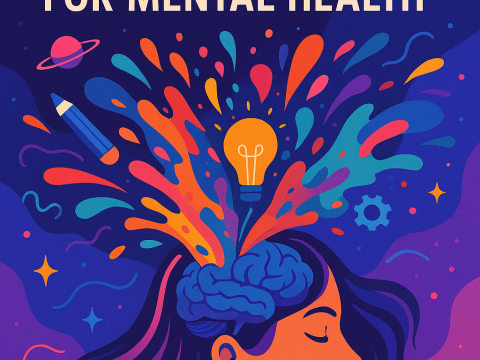
A growing body of interdisciplinary research indicates that creative engagement—whether through visual arts, music, writing, crafts, or other creative leisure—can produce measurable improvements in mental health and well-being. This paper reviews large-scale evidence syntheses, meta-analyses, longitudinal studies, and recent trials to summarize what is currently known about effects, plausible mechanisms, and practical recommendations for clinicians, policymakers, and individuals. Overall, evidence supports creative activities as beneficial for reducing depressive and anxiety symptoms, improving subjective well-being, fostering resilience, and promoting cognitive health, though methodological heterogeneity and gaps remain.
Posted in Art Class Mental Health Mental Health Research Trowbridge Guru Trowbridge Service Users Group

The Importance of Creativity for Mental Health

Abstract A growing body of interdisciplinary research indicates that creative engagement—whether through visual arts, music, writing, crafts, or other creative leisure—can produce measurable improvements in…
Continue Reading The Importance of Creativity for Mental Health
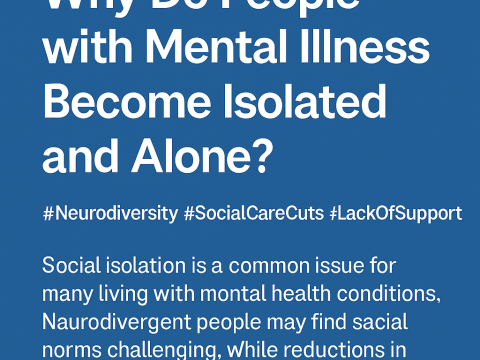
Isolation is often more than a symptom—it's the result of stigma, neurodiversity exclusion, cuts to mental health services, and lack of support when it's needed most.
Posted in Mental Health Mental Health Research Neurodiversity Trowbridge Guru Trowbridge Service Users Group

Why Do Neurodivergent individuals and People with Mental Illness Become Isolated and Alone?

For many living with mental illness, isolation isn’t just a side effect—it’s a painful reality. Despite increased awareness of mental health, far too many people…
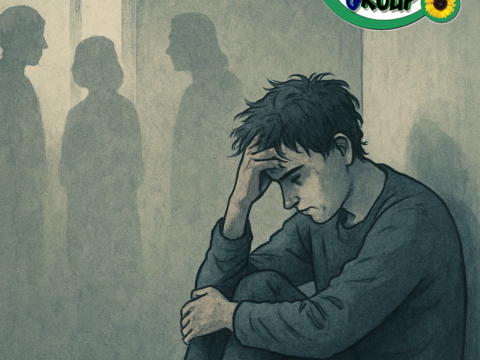
Continue Reading Why Do Neurodivergent individuals and People with Mental Illness Become Isolated and Alone?
Social isolation is both a symptom and consequence of many mental health conditions. For millions of people living with mental illness, feelings of loneliness are not just emotional struggles—they are deeply rooted in societal structures, cultural stigmas, neurodiverse experiences, and systemic failures in care.
Posted in Borderline Personality Disorder Mental Health Mental Health Research Neurodiversity Trowbridge Guru

Why Do People with Mental Illness Become Isolated and Alone?

Social isolation is both a symptom and consequence of many mental health conditions. For millions of people living with mental illness, feelings of loneliness are…
Continue Reading Why Do People with Mental Illness Become Isolated and Alone?
The Unspoken Effects of Mental Health
Posted in Mental Health Mental Health Research Trowbridge Service Users Group

The Unspoken Effects of Mental Health

The Unspoken Effects of Mental Health When we talk about mental health, we often picture visible signs—crying, panic attacks, or emotional outbursts. But for many…
Continue Reading The Unspoken Effects of Mental Health
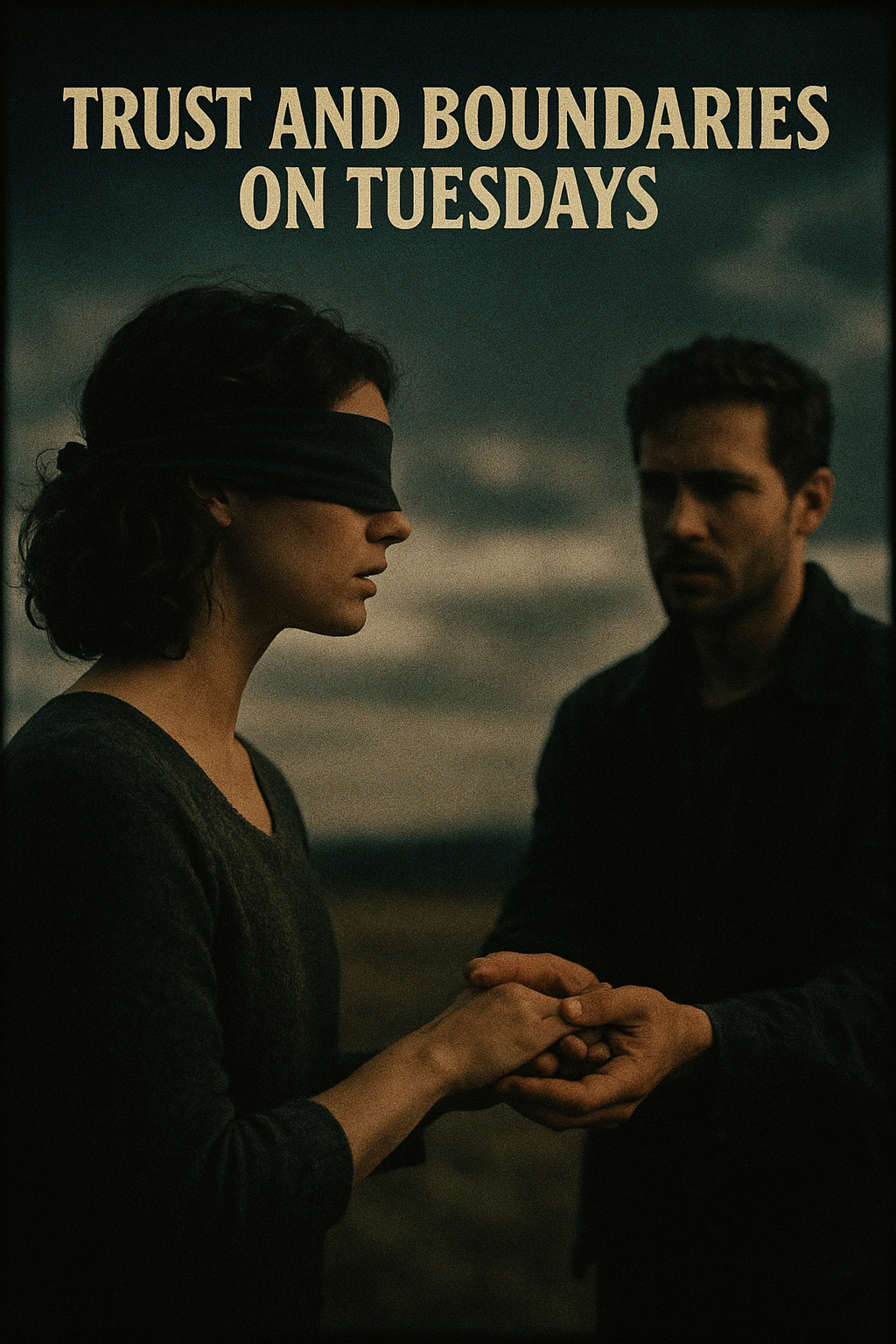
Some people with BPD describe seeing brief glimpses of "shadow people" — dark shapes just out of sight, especially during moments of stress, panic, or exhaustion. Others describe a strong sense of being watched, even when alone.
Posted in Borderline Personality Disorder BPD Mental Health Trowbridge Service Users Group

Shadow People, Voices, Strange Smells & Presences in BPD: What’s Going On?

When we think about Borderline Personality Disorder (BPD), we often picture intense emotions, unstable relationships, and fear of abandonment. But for many people living with…
Continue Reading Shadow People, Voices, Strange Smells & Presences in BPD: What’s Going On?
✨ Blog Post: Self-Belief, Boundaries, and Those Red Flags ✨ When it comes to mental health, three key pillars can make all the difference: self-belief, boundaries, and recognizing red (and green) flags in our relationships. These aren’t just trending words—they’re practical tools to help you stay grounded, make better decisions, and maintain mental and emotional stability.
Posted in Meditation Mental Health Mental Health Research Trowbridge Service Users Group

Self-Belief, Boundaries, and Those Red Flags ✨

When it comes to mental health, three key pillars can make all the difference: self-belief, boundaries, and recognizing red (and green) flags in our relationships….

Continue Reading Self-Belief, Boundaries, and Those Red Flags ✨
Posted in Meditation Mental Health Mental Health Research Press Release TUG News

Self-Belief, Boundaries, and Those Red Flags

In the journey of managing mental health, three key elements often act as guideposts toward stability and self-growth: self-belief, boundaries, and recognizing red (and green)…

Continue Reading Self-Belief, Boundaries, and Those Red Flags
Sound is more than just a background to our lives — it is a powerful force that can influence our emotions, cognition, and even physical well-being.
Posted in Mental Health Mental Health Research music Therapy Trowbridge Service Users Group

Sounds and Mental Health – How the World We Hear Shapes How We Feel

We often overlook sound as simply background noise — music on the radio, the hum of traffic, the chatter of people. But sound is powerful….

Continue Reading Sounds and Mental Health – How the World We Hear Shapes How We Feel
Sound is more than just a background to our lives — it is a powerful force that can influence our emotions, cognition, and even physical well-being.
Posted in Mental Health Mental Health Research music Therapy

Sounds and Mental Health

Sounds and Mental Health Sound is more than just a background to our lives — it is a powerful force that can influence our emotions,…

Continue Reading Sounds and Mental Health
Living with a mental illness can be mentally, emotionally, and physically exhausting. That’s why it’s essential to take time to rest and recharge
Posted in Uncategorized

Take Time To Rest And Recharge

Living with a mental illness can be mentally, emotionally, and physically exhausting. That’s why it’s essential to take time to rest and recharge—not as a…

Continue Reading Take Time To Rest And Recharge