Category: Across the Web / Research
Shadow Work & Mental Health: Why It Matters and How to Get Started
Mental-health conversations often highlight sleep, diet, therapy, and social connection—which are all essential. But there’s another layer of inner work that’s increasingly gaining traction: Shadow…
Do You Have the Balls to Seek Help?
Every November, moustaches start sprouting on faces across the world — not just as a style statement, but as a symbol of something bigger. It’s…
What is Movember?
“Movember” is a portmanteau of “mo” (Australian English slang for moustache) + “November”. (Wikipedia)During the month of November, men (often called “Mo Bros”) grow moustaches…
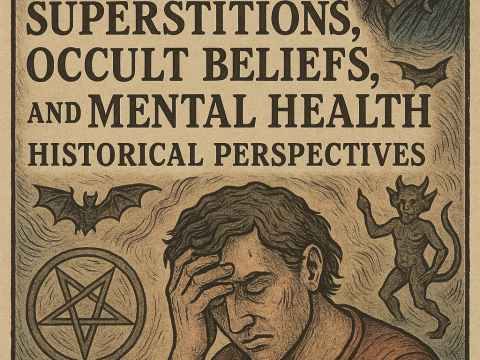
🜏 Superstitions, the Occult, and Mental Health: How Ancient Beliefs Still Shape Modern Minds
For as long as humans have looked up at the stars, we’ve tried to make sense of the strange things that happen inside our own…
Superstitions, Occult Beliefs and Mental Health: Historical Perspectives, Cultural Dynamics, and Contemporary Implications
Abstract Superstitious and occult beliefs have long served as frameworks through which societies interpret misfortune, illness, and psychological disturbance. From pre-modern notions of possession and…
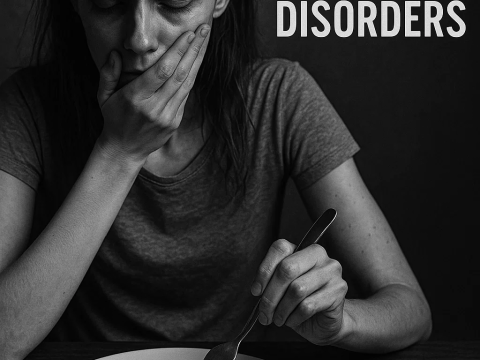
Eating Disorders: Types, Prevalence, Misunderstandings, and Treatment
1. Introduction & Common Misunderstandings Eating disorders are serious mental illnesses marked by persistent, unhealthy eating behaviors and distorted attitudes toward food, weight, or body…
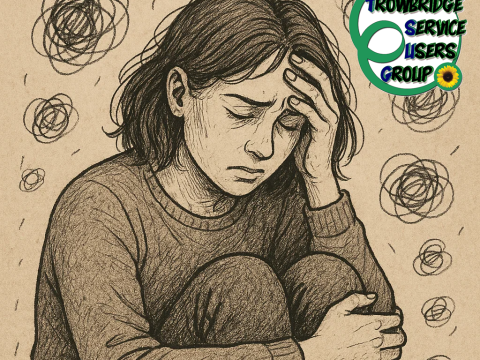
Understanding Anxiety: From Healthy Worry to Anxiety Disorders
Normal Anxiety: Your Body’s Alarm System At healthy levels, anxiety is your brain’s way of keeping you safe. It sharpens focus, helps you prepare, and…
Anxiety and Anxiety Disorders: What’s Normal, What’s Not, and What Helps (with UK & Wiltshire focus)
Abstract Anxiety is a normal, adaptive emotion that helps us prepare, focus, and stay safe. It becomes a disorder when intensity, duration, or avoidance cause…
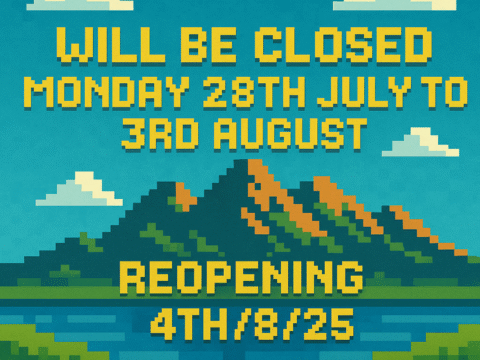
Time for a Break – Trowbridge Service Users Group Holiday Announcement
At Trowbridge Service Users Group, we’ve always prided ourselves on being there for our peers—rain or shine, week in and week out. Over the years,…
They’re just trying to get those with mental illness to remove themselves.
“I’ve been dealing with mental health challenges since childhood. Now at 52, living with Borderline Personality Disorder has its daily struggles. I’ve managed to find a way to get through each day, even when it feels like just existing, not truly living. On my toughest days, what keeps me going is knowing the pain it would cause for those who care about me if I were to give up.
Starting this support group was a response to feeling abandoned by the NHS. I understand that I may not fit into society’s mold, and my connections with family are minimal. My days are a rollercoaster of emotions, from dark thoughts to moments of mania. I wear masks to navigate social situations, often feeling like a different person entirely.
Accessing NHS support has been a challenge. There’s a disconnect between my call for help and any meaningful response. Many in our group face the same struggle. Now, with proposed changes in disability benefits, the future looks uncertain.
For those with mental health conditions, working from home can feel isolating. Encouraging socialization and building confidence is crucial. As for the potential reduction in benefits for those with a history of self-harm, it feels like another blow. It’s clear the government’s focus is on cutting people from the system, not genuinely helping.
The UN and equality watchdog reports highlight the systematic discrimination against disabled individuals, but the government remains unresponsive. Personally, I can’t thrive in a traditional work environment, nor can I withstand a benefit cut. Stability is my lifeline; it allows me to contribute and be a part of something bigger.
Reducing benefits or forcing me to stay at home only hinders my ability to maintain stability and engage in self-care. It feels like we’re in limbo, waiting for decisions that could drastically impact our lives.”
 Postal Address